How to Reduce Noise When Using Woodworking Tools in Apartments and Townhomes
Apartment woodworking noise is the ultimate buzzkill. You're ready to dive into DIY furniture making, but the second you fire up a router, the guy downstairs starts banging on his ceiling with a broom. I get it. Building things in a shared building feels like walking a tightrope. But you don't have to give up your hobby. You just need to get smart about how sound travels. Let's fix your setup before you get an eviction notice.
Hand Tools Win the Stealth Game
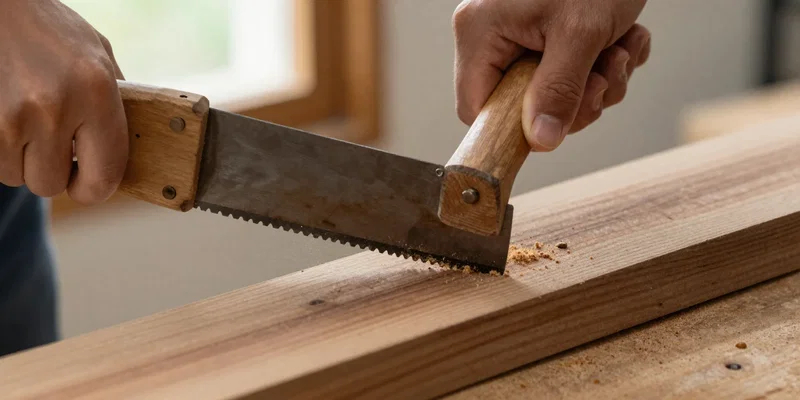
Want the ultimate quiet woodworking tools? Look at what guys used two hundred years ago. Hand planes. Chisels. Japanese pull saws. Sure, pushing a piece of wood through a roaring table saw is fast. But slicing a dovetail joint by hand? It's practically silent. Plus, it makes you a vastly better woodworker. You start feeling the grain instead of just blasting through it. Give your power tools a rest. Grab a sharp block plane. Your ears—and your neighbors—will thank you.
Decouple Your Bench from the Floor
Here's the thing. Sound isn't just in the air. It moves straight down the legs of your workbench and right into the floorboards. That's called structural vibration. Beating on a piece of oak with a mallet? The whole building feels it. The trick to a low noise workshop is decoupling. Buy those thick, heavy rubber mats they sell for washing machines or gym floors. Put them under your bench legs. Drop a layer of high-density foam under your sharpening stones. Stop the vibration before it hits the floor. It's that simple.
The Art of Strategic Sanding
Power sanders are obnoxious. An orbital sander doesn't just buzz. It whines. It drills right into the human skull. If you're doing finishing work in a tight space, ditch the power cord. Grab a sanding block. Yes, it takes longer. Yes, your arms will burn. But a scraper and a good old-fashioned block will give you a glass-like finish with zero mechanical screaming. If you absolutely must use power, buy a model with brushless motors and variable speed. Run it on low.
Ditch the Impact Driver
Impact drivers are loud. Obnoxiously loud. That rapid-fire clacking echoes through drywall like a machine gun. Stop using them indoors. A standard 12v or 18v cordless drill is plenty strong enough to sink screws into pine, plywood, or even hardwood if you pre-drill a pilot hole. It's smooth. It's quiet. Nobody next door even knows it's happening.